How to Manage Attendance of Employees?
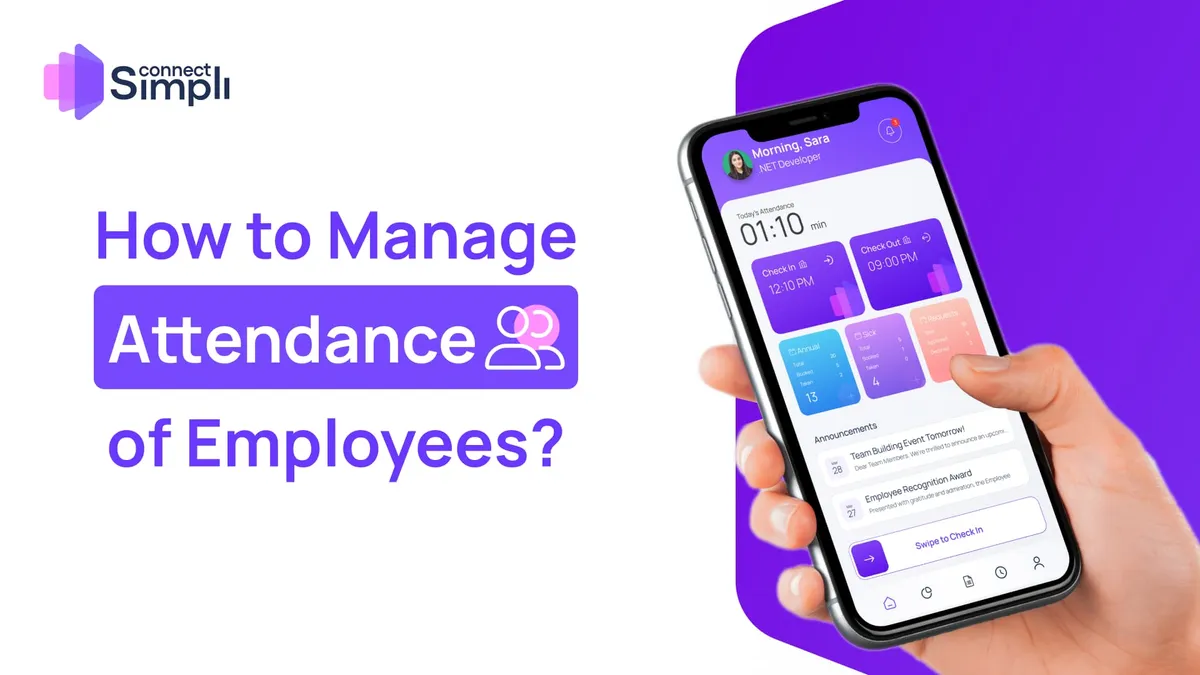
Managing employee attendance is essential for ensuring smooth operations in any organization. Attendance tracking not only helps in monitoring work hours but also plays a crucial role in improving productivity, reducing absenteeism, and maintaining compliance with labor laws. With the right tools and best practices, organizations can optimize their attendance management systems and create a more transparent, accountable, and productive workplace.
In this guide, we’ll explore the importance of tracking employee attendance, various methods available for tracking, and how to overcome common challenges in attendance management. Whether you’re considering a manual approach or a fully automated system, understanding the best practices for tracking attendance will help you make informed decisions.
Why Employee Attendance Matters
Employee attendance affects many aspects of a business, including overall productivity, team morale, and operational costs. When attendance is properly tracked, it not only helps manage daily operations but also contributes to:
- Resource Planning: Accurate attendance data allows managers to forecast and plan work schedules better.
- Financial Accuracy: It ensures that employees are paid correctly for the hours they work, including overtime.
- Employee Engagement: A well-structured attendance system promotes transparency and fosters trust between employees and management.
Organizations that neglect attendance management may face higher absenteeism, increased overtime costs, and potential legal complications. Thus, maintaining a reliable and efficient attendance tracking system is a key business function.
The Importance of Tracking Employee Attendance
Efficient attendance management goes beyond simply recording work hours. It impacts several areas within an organization:
A well-managed attendance system not only tracks time but also fosters a culture of responsibility, trust, and accountability.
The Impact on Productivity, Morale, and Company Culture
- Increased Productivity: Regular attendance helps maintain optimal staffing levels, preventing work overload on other employees. This leads to a higher level of productivity.
- Improved Morale: When employees know their attendance is being tracked fairly and consistently, they are less likely to abuse attendance policies. It also sets clear expectations, reducing misunderstandings.
- Stronger Company Culture: A transparent system creates a sense of fairness and accountability, leading to a positive workplace culture where employees feel valued and motivated.
Methods for Tracking Employee Attendance
There are several methods for tracking employee attendance, each with its benefits and limitations. In this section, we’ll break down the most common methods used by organizations.
Tracking Method
Pros
Cons
Manual Tracking (e.g., paper logs, punch cards)
Low-cost, simple to implement
Prone to human error, time-consuming, lack of scalability
Automated Systems (e.g., time clocks, biometric systems)
Accurate, integrates with payroll, real-time data
Higher initial cost, may require training
Cloud-Based Systems
Accessible remotely, scalable, integrates with other HR tools
Ongoing subscription fees, potential data security concerns
RFID/Swipe Cards
Easy to use, fast data entry
Potential for card loss or fraud, less secure than biometrics
✅ Manual Attendance Tracking
Manual tracking methods include paper-based logs, punch cards, or spreadsheets. While cost-effective for smaller organizations, manual systems are often prone to errors and inaccuracies, especially when dealing with large teams.
Benefits and Limitations of Paper-Based Methods
- Pros: Inexpensive, simple to implement.
- Cons: Time-consuming, high potential for mistakes, lack of real-time data, and limited scalability.
✅ Automated Attendance Systems
Automated systems, on the other hand, eliminate many of the inefficiencies associated with manual tracking. These systems can be tailored to meet the specific needs of an organization and often offer additional features like reporting, integration with payroll systems, and real-time tracking.
How Technology Improves Accuracy and Efficiency
Automated systems reduce human error, provide accurate data on employee working hours, and allow for instant updates, making it easier to manage absenteeism or tardiness. Moreover, they free up administrative time for other important tasks.
✅ Biometric Solutions
Biometric attendance systems use unique physical traits like fingerprints, facial recognition, or retina scans to track employee attendance. These systems are particularly useful for preventing buddy punching (where one employee clocks in for another).
Fingerprint and Facial Recognition Systems
Biometric systems offer increased security and reliability, making them ideal for companies concerned with preventing fraud and ensuring accurate time tracking.
✅ RFID and Swipe Card Systems
RFID (Radio Frequency Identification) and swipe card systems allow employees to clock in and out with a swipe or scan. These systems are easy to implement and can be integrated with other attendance management tools.
Pros and Cons of Card-Based Tracking
- Pros: Simple to use, relatively low-cost setup.
- Cons: Potential for card loss or sharing, less secure than biometric systems.

Cloud-Based Attendance Management
In the digital age, cloud-based solutions offer significant advantages over traditional systems. Cloud platforms provide real-time data access from anywhere, seamless integration with payroll, and advanced features like mobile access and automated reporting.
Feature
Description
Benefits
Mobile Access
Allows employees and managers to access attendance data from any device
Flexibility for remote workers, convenient for managers
Real-Time Notifications
Sends alerts for tardiness, absenteeism, or time-off requests
Helps managers address issues immediately, reduces absenteeism
Payroll Integration
Syncs attendance data with payroll systems
Reduces payroll errors, saves time on manual calculations
Reporting & Analytics
Generates reports on attendance patterns, trends, and absenteeism
Provides insights for better resource planning and decision-making
Advantages of Cloud Solutions for Employee Attendance
- Remote Access: Employees and managers can access attendance data anytime, anywhere.
- Scalability: Cloud-based systems can easily grow with your business, accommodating new employees without additional infrastructure.
- Data Security: Leading cloud services ensure that employee data is protected with high-level encryption.
Best Practices for Tracking Employee Attendance
To get the most out of your attendance system, it’s essential to implement best practices that promote accuracy, transparency, and compliance.
Setting Clear Attendance Policies: Clear policies are crucial for setting expectations around attendance. Policies should cover key areas such as:
Policy Component
Description
Work Hours
Define regular work hours, overtime policies, and shift timings.
Absenteeism Reporting
Establish a procedure for reporting absences, including notice period and required documentation.
Consequences for Policy Violations
Outline the consequences of not adhering to attendance policies, such as warnings or disciplinary actions.
Vacation & Sick Leave
Clearly explain how employees should request time off and the documentation required for sick leave.
Late Arrival & Early Departure
Define what constitutes tardiness and early departures, and how these situations should be handled.
Real-Time Monitoring and Notifications: One of the best features of modern attendance systems is real-time tracking. By setting up automatic alerts for tardiness, absenteeism, or time-off requests, managers can quickly address issues before they escalate.
Transparency and Employee Engagement: Engage employees in the process by making attendance tracking transparent. Share reports, keep lines of communication open, and actively involve employees in discussions about attendance policies. This helps build trust and minimizes misunderstandings.
Tools for Tracking Employee Attendance
Several digital tools and software can make attendance management easier and more efficient. Here are some examples of tools used in the industry:
Time Clock Systems
Time clocks are a traditional yet reliable way to track attendance. Modern time clocks can integrate with payroll systems, provide mobile access, and even handle overtime calculations automatically.
Features to Look for in Time Clock Solutions
- Integration with payroll systems
- Ability to track break times and overtime
- Mobile functionality for remote workers
Employee Scheduling Software
Employee scheduling software often includes attendance tracking features. These systems allow managers to create shift schedules, track attendance, and adjust schedules in real-time to accommodate for absenteeism.
How Scheduling Integrates with Attendance Tracking
Scheduling software can help manage not only when employees work but also track attendance patterns, which can provide valuable insights for improving scheduling and reducing absenteeism.
Legal Considerations When Tracking Attendance
When managing employee attendance, it’s important to stay compliant with labor laws and respect employee privacy. Failure to do so can lead to legal complications and costly fines.
Legal Aspect
Description
Impact on Attendance Tracking
Overtime Regulations
Ensure accurate tracking of overtime hours worked
Prevents legal issues related to unpaid overtime
Breaks and Meal Periods
Comply with regulations regarding rest and meal breaks
Prevents potential fines for not providing adequate break time
Data Privacy Laws
Ensure employee attendance data is stored securely
Protects against data breaches and legal liabilities
Non-Discrimination
Ensure attendance policies do not discriminate against certain groups
Promotes fair and equal treatment for all employees
Understanding Overtime and Break Laws: Labor laws often require specific rules for overtime, rest breaks, and meal periods. Attendance systems should be designed to comply with these regulations, ensuring employees are paid correctly for overtime and given proper breaks.
Employee Privacy and Data Protection: Employee attendance records contain sensitive data. Employers must ensure that attendance systems comply with data protection laws, such as the GDPR or CCPA, and handle personal data responsibly.
Common Challenges in Managing Employee Attendance
Tracking attendance can come with several challenges. Understanding and addressing these issues will help your organization maintain an efficient system.
✔️ Dealing with Employee Absences: Frequent absences can disrupt team dynamics and productivity. Employers should address absenteeism proactively by monitoring attendance patterns and working with employees to address the root causes of their absences.
✔️ Addressing Late Arrivals and Early Departures: Tardiness and early departures can also affect overall productivity. It’s important to enforce policies that discourage this behavior and to address it with employees when it arises.
Benefits of Tracking Employee Attendance Effectively
Efficient attendance tracking has several long-term benefits for an organization, including:
✔️ Increased Productivity and Reduced Costs: By accurately tracking attendance, businesses can ensure they’re not paying for unproductive hours and reduce the financial impact of absenteeism.
✔️ Improved Employee Engagement and Satisfaction: An effective attendance management system builds trust with employees, which leads to increased morale and satisfaction.
Conclusion
Managing employee attendance is more than just a record-keeping task. It’s a vital component of maintaining a productive, efficient, and legally compliant organization. By choosing the right system, setting clear policies, and following best practices, companies can ensure that they are getting the most out of their workforce while reducing operational risks.
FAQs
What are the best tools for tracking employee attendance?
Tools like biometric systems, time clock software, and cloud-based solutions offer reliable, accurate tracking of employee attendance.
How can attendance tracking improve employee productivity?
Accurate attendance tracking helps ensure that employees are working the expected hours, reducing instances of tardiness and absenteeism, which in turn boosts productivity.
What are the legal considerations for managing attendance?
Employers must comply with labor laws regarding overtime, breaks, and vacation time. It’s also important to safeguard employee privacy when collecting and storing attendance data.
How do you handle frequent employee absences?
By monitoring attendance trends and addressing issues proactively, employers can identify underlying causes and work with employees to improve attendance.
What is the difference between manual and automated attendance systems?
Manual systems are error-prone and time-consuming, while automated systems offer accuracy, ease of use, and integration with payroll systems.
How can cloud-based attendance systems benefit businesses?
Cloud-based systems offer flexibility, scalability, and real-time data access, helping businesses manage attendance more efficiently.